Radon Testing & Mitigation Locations
We connect homeowners with certified radon professionals across the country’s highest-risk metro areas. Find your city below and get a free, no-obligation quote today.
Choose Your City
Select your metro area to learn about local radon levels, regulations, and connect with certified professionals near you.
Denver, CO
Metro pop: 2.9 million
Colorado Springs, CO
Metro pop: 750,000
Pittsburgh, PA
Metro pop: 2.3 million
Columbus, OH
Metro pop: 2.1 million
Indianapolis, IN
Metro pop: 2.1 million
Minneapolis, MN
Metro pop: 3.6 million
Des Moines, IA
Metro pop: 700,000
Cincinnati, OH
Metro pop: 2.2 million
Philadelphia, PA
Metro pop: 6.2 million
Boise, ID
Metro pop: 800,000
Milwaukee, WI
Metro pop: 1.6 million
Louisville, KY
Metro pop: 1.3 million
Nashville, TN
Metro pop: 2.0 million
Salt Lake City, UT
Metro pop: 1.3 million
Raleigh, NC
Metro pop: 1.5 million
Why Radon Levels Vary by Location
Geology, construction, and climate all play a role in your home’s radon risk.
Geology
Uranium-rich bedrock like granite, shale, and limestone produces higher radon. Regions near mountain ranges and glacial deposits are especially affected.
Construction
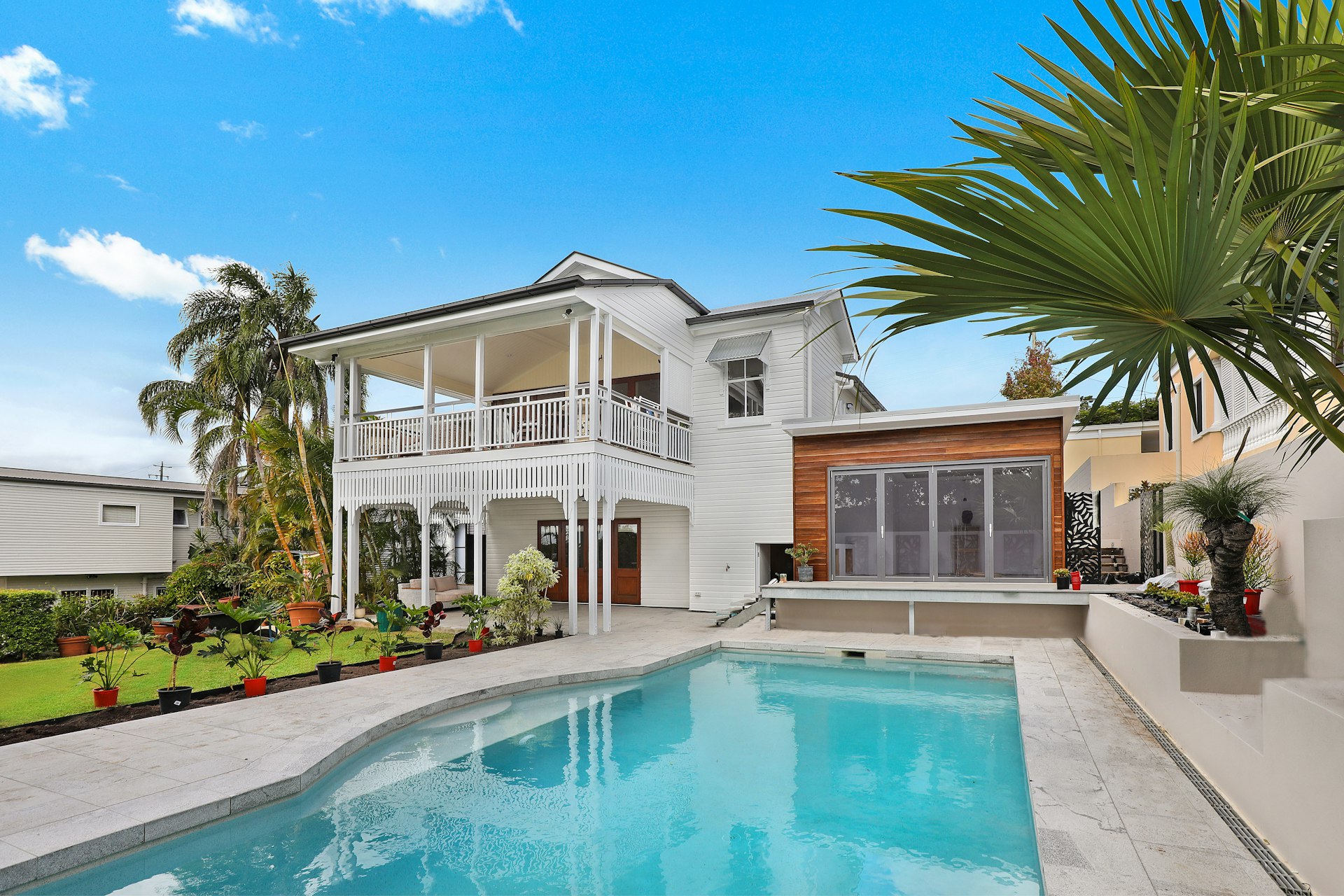
Homes with basements, crawl spaces, and foundation cracks allow more radon entry. Tight, energy-efficient construction can trap radon inside.
Climate
Cold climates with sealed homes see higher winter radon levels. High altitude and dry conditions can also concentrate radon gas indoors.
Don’t See Your City?
We’re expanding our network. Request a free quote and we’ll connect you with certified radon professionals near you.
✓ Free quotes ✓ Certified professionals ✓ No obligation